Introducing ITIL How to Implement

The new PeopleCert Plus exclusive addresses an important gap in the digital transformation journey: how to effectively use ITIL® to navigate and lead transformative change. While many organizations recognize the value of ITIL in managing IT services, few resources have bridged the theory with practical guidance for real-world transformation initiatives. PeopleCert now have the “ITIL How to Implement Official Book” that offers clear, actionable insights into aligning ITIL practices with strategic change, enabling leaders to harness ITIL not just as an operational tool, but as a catalyst for enterprise-wide value creation. By doing so, it fulfils an urgent need for structured, adaptable guidance in an era where transformation is constant and complexity is the norm.
ITIL How to Implement includes:
· A transformation model: four layers, twelve stages, and twenty-four steps.
- Three types of patterns: initiation patterns, governance patterns, and execution patterns.
- A toolbox: description of twenty six methods and tools supporting various transformation activities.
The guidance in this book is flexible, structured, scalable, innovative, and supported by proven concepts, methods, and tools. ITIL How to Implement addresses the volatile, uncertain, complex, and ambiguous nature of today’s business and technology environments and helps organizations to find the balance between manageability and flexibility.
The transformation model
The transformation model offered by this guidance includes layers, stages, and steps. The layers apply to any transformation; the stages and steps vary depending on the selected execution pattern.
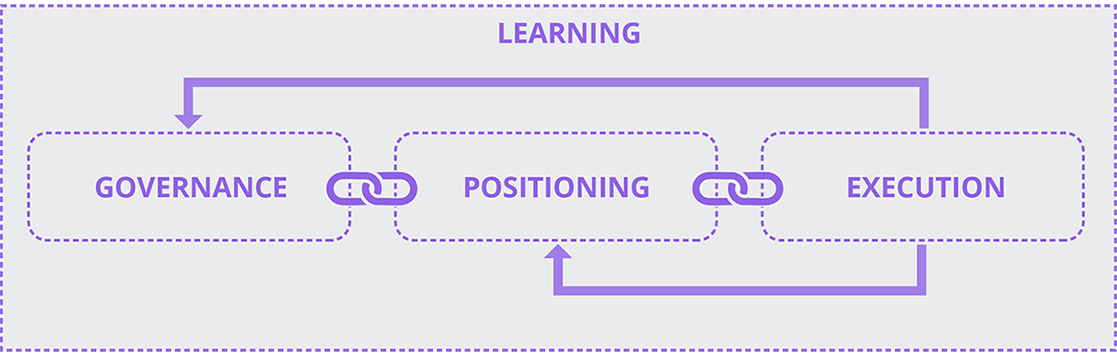
Figure 3.1 The four layers of the transformation model
The four layers are governance, positioning, execution, and learning.
Governance: direction and boundaries are established while allowing for flexibility. Effective governance creates alignment between transformation and organizational strategy, ensuring efforts deliver meaningful value while preventing excessive control.
Positioning: the best-fitting approach for each situation is determined through contextual assessment. Through positioning, applying standardized methods to diverse contexts is avoided by matching approaches to the actual nature of each challenge.
Execution: changes are carried out using methods matched to context–whether ordered, complex, or chaotic. Through execution, opportunities are transformed into real-world actions through appropriate activities and techniques based on contextual understanding rather than habit.
Learning: insights are captured to improve current work and build future capability. Mechanisms are created to gather information, extract meaning, and apply understanding in ways that enhance transformation effectiveness over time.
The patterns
The guidance describes three types of patterns:
Execution patterns: describe how the execution of initiatives and activities within a transformation varies depending on the complexity of the context; this guidance covers ordered, highly predictable contexts, complex environments where traditional approaches designed for ordered contexts are not effective, and unpredictable contexts when an urgent need (e.g. a significant external event) requires the organization to transform in order to move from a chaotic to a manageable state.
Initiation patterns: describe common triggers of transformations at the organization and SVS level, and explain their impact on the transformation layers, stages, and steps so that the approach to change is clear and consistent.
Governance patterns: help organizations to understand their established approach to governance, as well as identify and adopt the optimal approach to the governance of a particular transformation. When the established BAU governance pattern is not suitable, the ITIL How to Implement Official Book helps to bridge the gap and maintain effective oversight throughout the transformation.
Methods and tools
The How to Implement Official Book includes twenty six methods and tools that may be used at different stages of the transformation model. Descriptions of the transformation model stages, steps, and patterns include references to the relevant methods and tools.
What is in it for you?
This Official Book has four key target audiences:
Sponsors and owners of transformation initiatives: Sponsors or owners are accountable for setting the direction, securing support, and ensuring successful outcomes from the transformation. This guide provides a flexible model to align transformation goals, enable effective governance, empower teams, monitor progress, and utilize the right tools for lasting success.
People involved in carrying out the transformation work: This guide provides managers and teams with a practical, step-by-step approach to manage transformation by defining and adapting activities across governance, positioning, execution, and learning layers. It helps apply the right execution pattern while aligning work with transformation goals using initiation patterns. The guide also offers a toolbox of methods and tools to support each step and encourages professional development focused on relevant practices.
People affected by the transformation: This guide helps those involved in organizational transformation understand what to expect and how to participate. It explains how transformations are planned and executed through a flexible model that considers stakeholder needs, clarifies how governance patterns affect decision-making and opportunities for involvement, highlights how execution patterns influence the pace and style of change, and provides insights to support professional growth and career development.
Consultants supporting transformation initiatives: Consultants bring external expertise to help organizations navigate transformations by diagnosing needs with initiation patterns, recommending appropriate governance models, coaching on tailored execution patterns, guiding the application of the transformation model with suitable tools and facilitation, and introducing proven methods for engagement, analysis, planning, and evaluation.