
What to do to get entry level AI Positions.
What people actually look for when hiring juniors that stand out.
May 15, 2026

If you’re applying for junior roles right now, you’ve probably noticed something weird: the listings still exist, but HR system and staff are in a deep pit of despair. Applications go into a void and you may notice your friends with current CVs getting little or no response either.
You’re not imagining it. I’ve covered this in a previous blog, when I went through AI’s labor market impact: junior-level roles in AI-exposed occupations are showing a real, statistically significant drop in entry rates for workers aged 22–25. People aren’t getting laid off (although we see many layoffs from big techs, the unemployment rate has remained static for a while), they’re just not getting hired in the first place. To get hire you may have to change your focus and approach these positions from a more aggressive point of view.
* Be the person who is the “care taker”

This is the most underrated skill in the modern employment market. It’s also the one that many people look for when interviewing people for junior roles, especially looking for situations where these people have assumed responsibility when it was not in their job description. I’ve chatted about some of these skills on my training and management blog on Freedom Shaper.
“Taking responsibility for things” sounds vague, but it’s really simple: when you see something needs to be done, you get it done and everyone knows that you will find the resources to get it done (this doesn’t mean that you have the resource, but that you will find the resources needed to complete a task) and follow through to get implement the solution.
If you’ve ever worked in a team, you know exactly the kind of person I am talking about, and managers also know how rare and valuable they are.
The reason this skill is so valuable now is because AI handles the task layer fairly well. What it can’t do is own a thread of work end-to-end across humans, systems, and ambiguity. That’s the gap that’s getting more valuable and if you become known for closing the gaps, you become that person managers and leaders can rely on, making you hireable in a way that doesn’t depend on a job function or designation.
You can practise this skill anywhere: at school, in volunteer work, even at home. Take on more that is expected of you and just work right through it.

* Learn to disagree with caution
People use the cliché of teamwork advice, “be a team player,” far to often and it is too vague. The thing real question during interviews is whether someone can disagree with the interviewer constructively in a short discussion regarding a subject matter discussion.
The interviewer may float an opinion that’s deliberately a bit off, about how to scope a project, an architectural choice, or a process question. They may want to see how candidates think and if they can trade ideas and opinions without becoming defensive. The wrong responses are the obvious ones (just agreeing, or arguing aggressively).
* Volunteer anywhere
Volunteering has always been the best way of networking.
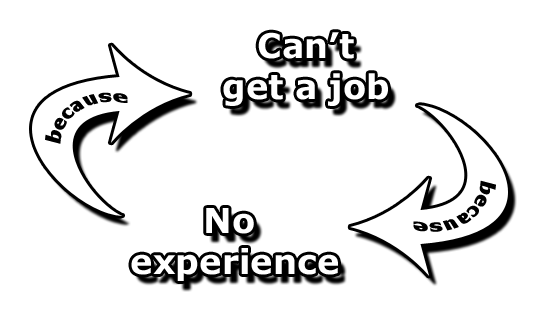
I have always recommended to my students to volunteer or find a work term, then add these to their resume. It helps if they are not even applying for jobs during that time. Helping run things at a non-profit is where many could meet people who later remember them when a leadership or other positions open up at their place of work. Volunteering in spaces tied to the work you want to do is how you expose yourself to luck. At Freedom Shaper or Varciti IT Solutions we often call that a work term, where our staff can find a volunteer position for learners to obtain their work experience, and those that excel during their work term normally get a position at the firm where they are working or at least they would get a recommendation from that company.
The mistake Volunteers normally make is treating this time as a line on their CV. The CV line should be a byproduct, while the actual value is the time you spend around people who do things, and those people remember you. Months later when somebody says “we need to find someone for a specific task”, your name could be on top of the list, especially if you followed the previous advice.
If you’re early in your career, find a student club, an NGO, an open-source project, a meetup group. To be useful in a place where useful people are paying attention.
* Your portfolio now becomes your resume
If you’re a technical person, a personal website and or a GitHub account may help. Anything that lets hiring managers see your what you have achieved matters in a world flooded by AI generated CVs personalization is king.
When HR staff review a junior application, the CV tells them what you claim to be and know, but the portfolio tells them what you are actually capable of. What position is being advertised will depend on where and what and where the HR department is most likely look to view what the applicant is capable as. To hire AI engineers, hiring staff can tell in a short time of looking at someone’s GitHub profile whether they understand what they’re doing, the commit messages, the README quality, the structure of the projects, whether the repos are abandoned shells or actual working things. They are being trained to spot AI generated code too!
Applicants do not need impressive projects (good if the have) for junior positions, they just need real projects tied with something they enjoy doing. Size does not matter, but that passion has been put in does.
For nontechnical: the same applies, just in a slightly different format. A portfolio site with case studies, a few well-written analyses on Medium, a presentation deck from a real project they have run. Anything that lets someone evaluate the work that they have done, not just the claim to be able to.
* Write in the public domain

Most young people think they don’t have anything to offer, until they have some experience and that is a huge mistake. I have personally spoken to prospective students so full of curiosity and energy that I’d happy to employ them on the spot without reading a long-form essay from them.
Looking for work, find a topic you care about and start writing about it publicly. LinkedIn, X, or any other Social platform, your own blog, it doesn’t matter where just somewhere online. The platform matters less than the consistency and quality of the posts. The reason this works is simple: most juniors are invisible to hiring managers until they apply for a position. If you write publicly about your field of expertise or love for six months, you arrive at the interview already half-known. The hiring manager may have read your stuff or even noted you capabilities. This also could have a negative impact, based on the content of the posts, very controversial, running people down, even language could cause a negative outlook. Many people that I have worked with have reported not getting a position because they lack a social profile. To build a useful profile will take a few months, be careful what you post, it never goes away.
The object is to write about what you’re learning or working on, not what you’ve mastered as this is history. It’s a win-win situation, you get noticed or HR managers can refer to the information and get an idea of who they are going to interview, and it also improves the comprehension of topics you are interested in.
* Want a position in the AI field, get fluent at AI. AI can work without you
This could probably be the most practical piece advice.
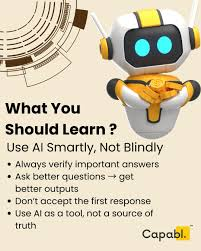
Junior’s being interviewed for AI positions are now being assessed for one thing. Can they work with any of the AI tools intelligently? In today world, working with AI intelligently is not just a matter of copy and pasting code or paragraphs from AI tools. It means more, does the applicant know when to trust the output, when to push back, when to verify, when to throw it out? Do they treat the AI model like a teammate they’re watching, or like a god of the facts? AI makes mistakes and if questioned or shown their mistakes, they are even sorry.
Juniors who are getting hired right now treat AI as an addon their judgement. The ones who aren’t, treat AI as a substitute for their knowledge and judgement.
Do real work with these tools, frequently, and pay attention to where they help you and where they could harm/fail you.
If you’re a student or a recent grad reading this, don’t be fooled, the market is harder than ever before, many people believe that AI will replace many functions and the anxiety you feel is valid, pretending otherwise would be a huge mistake.
But what gets youngsters hired right now are not the things AI is automating. AI is good at tasks, but it’s not good at owning a thread of work across humans and ambiguity, at disagreeing constructively in a room full of opinions, at noticing what nobody assigned, at being the person colleagues trust. That’s still you.
Humans aren’t task executors. We’re the layer that maps how tasks connect, who needs what, when something is going off the rails, and what’s actually worth doing in the first place. This layer is getting to be more valuable, because there is so much more output flying out that needs someone with judgement to make sense of and prioritise it.
Showing up as the kind of candidate who already looks like they’re capable of taking on and actually doing the work, doors will open miraculously. When you have established yourself as a reliable future professional, your reputation does the work of networking for you, something that no application or resume can perform.